ILUSIÓN DE FUNCIÓN: FALSA PERMANENCIA (2025)
FADS, PUERTA DE TIERRA
EXHIBICIÓN COLECTIVA JUNTO ROGELIO BÁEZ VEGA, MARIANA RAMOS ORTIZ Y EFRÉN CANDELARIA
FOR INQUIRIES ON AVAILABLE WORK CONTACT: nataliasanchezstudio@gmail.com or call 787-403-2195
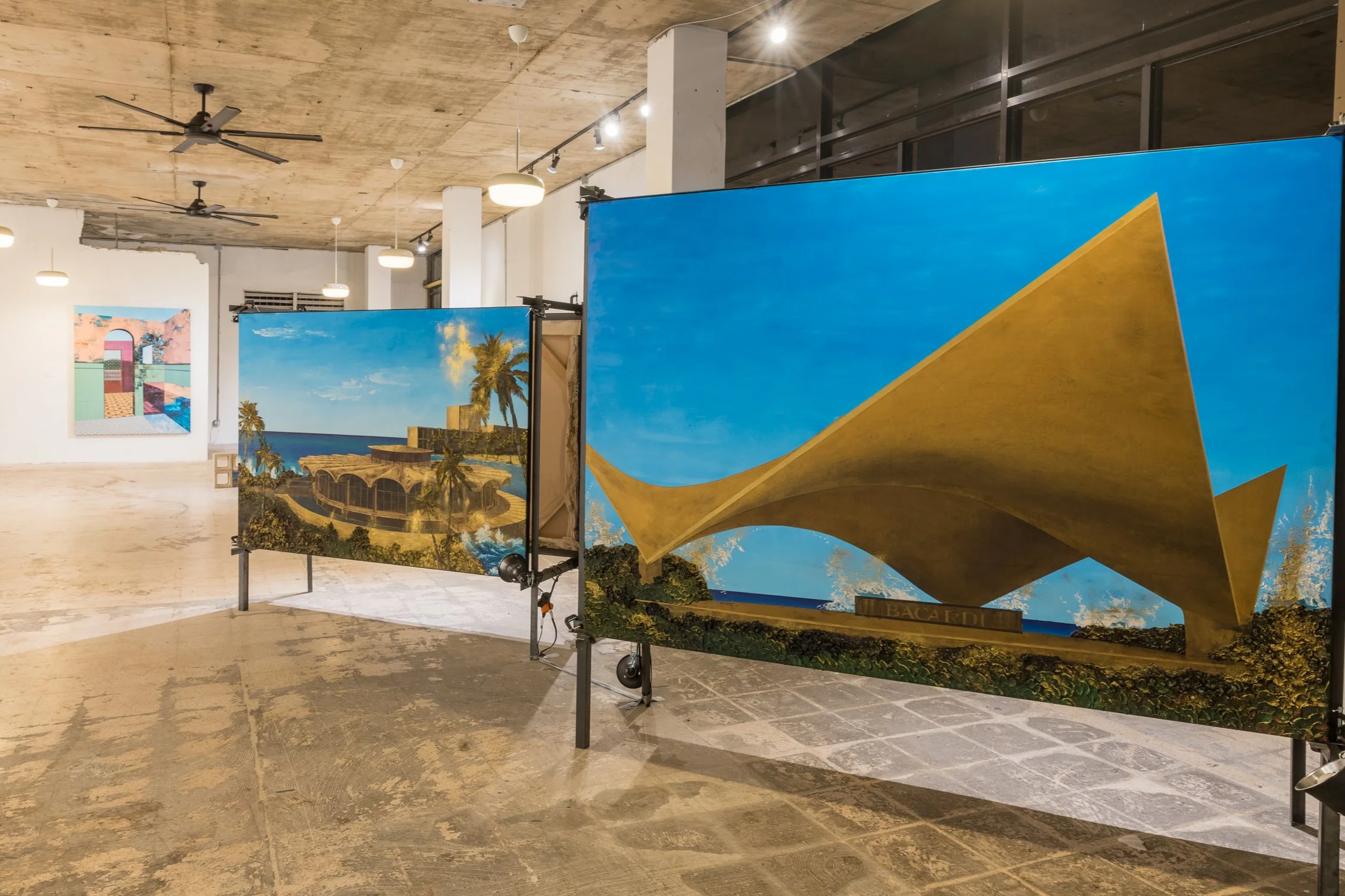
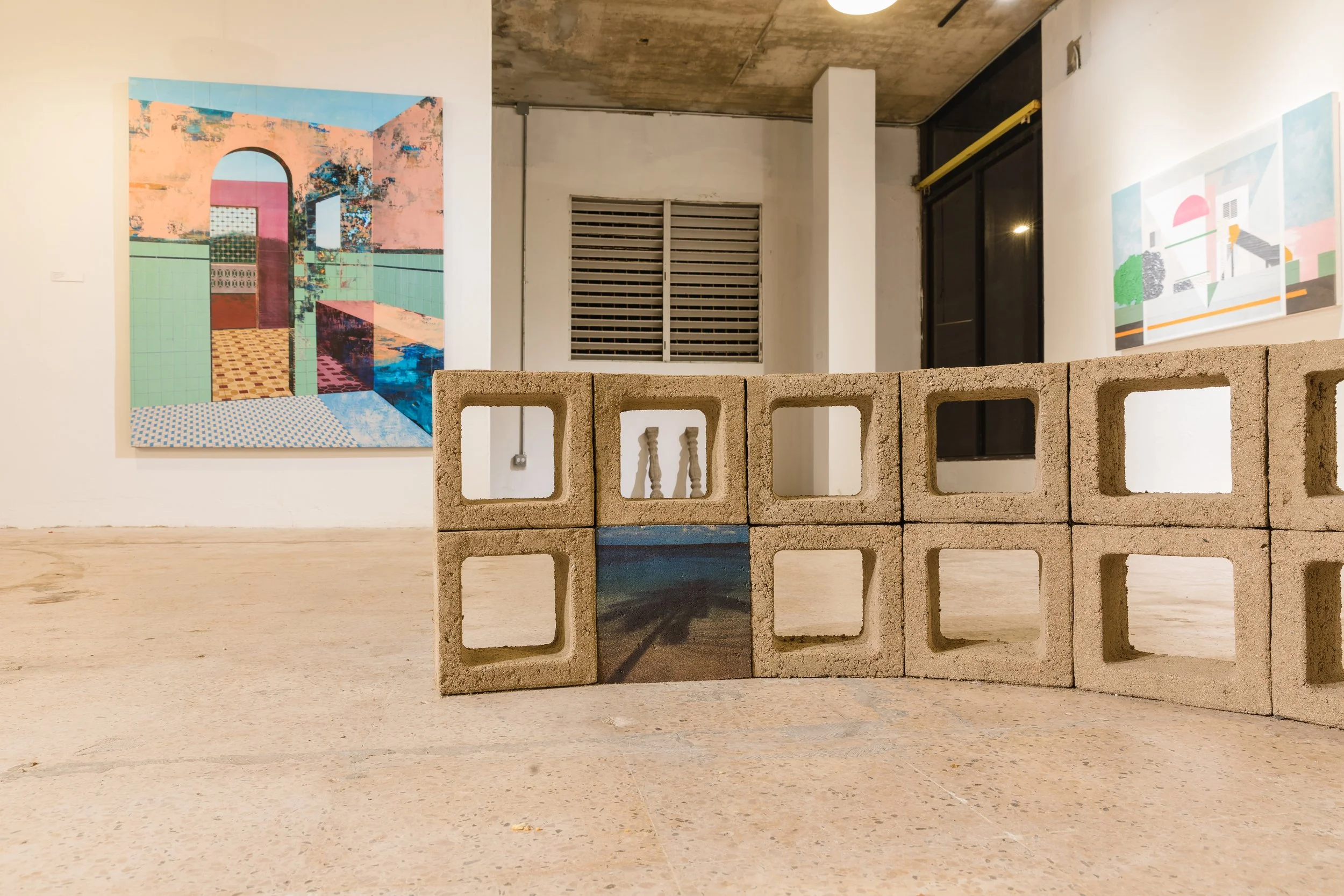
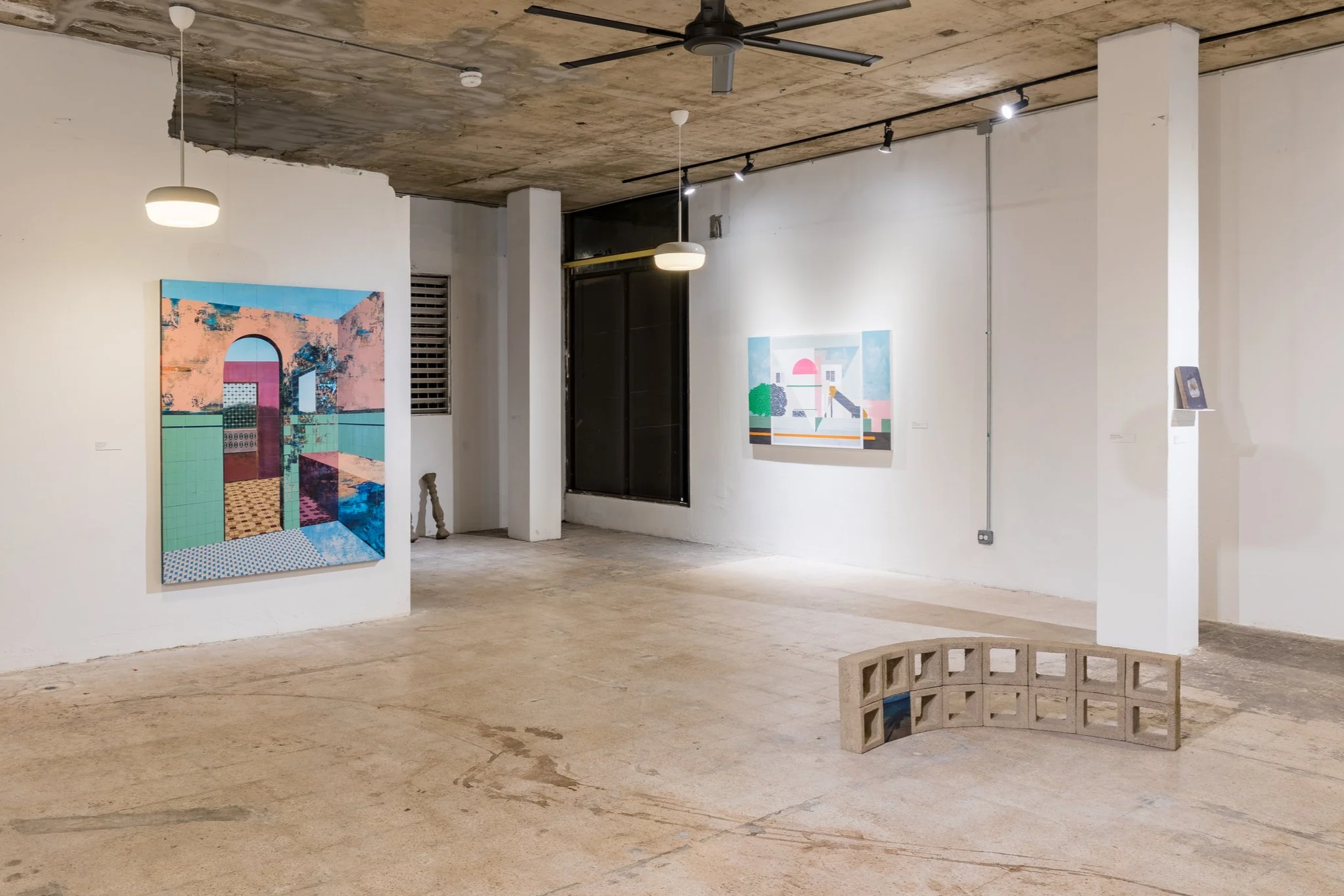
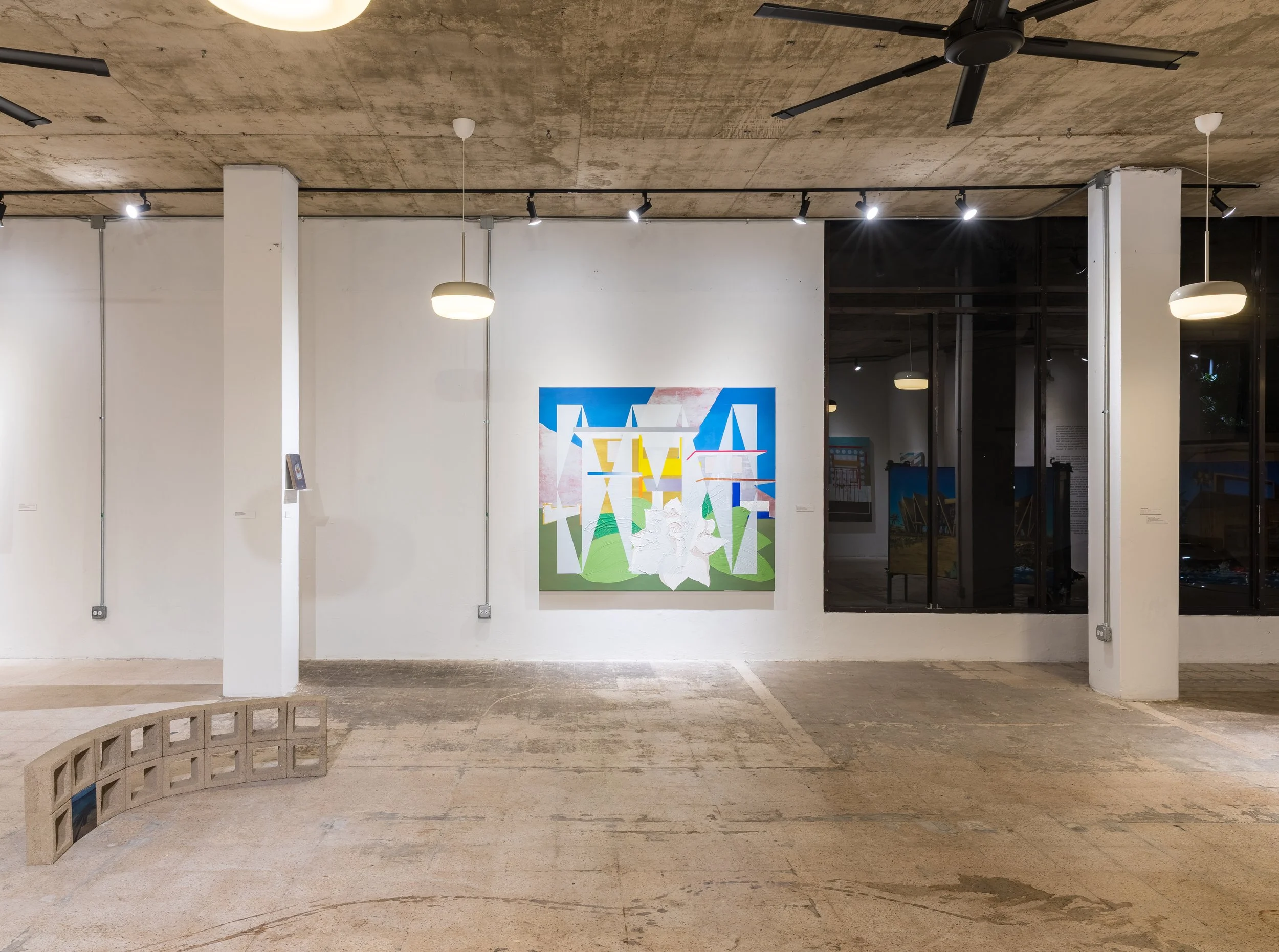
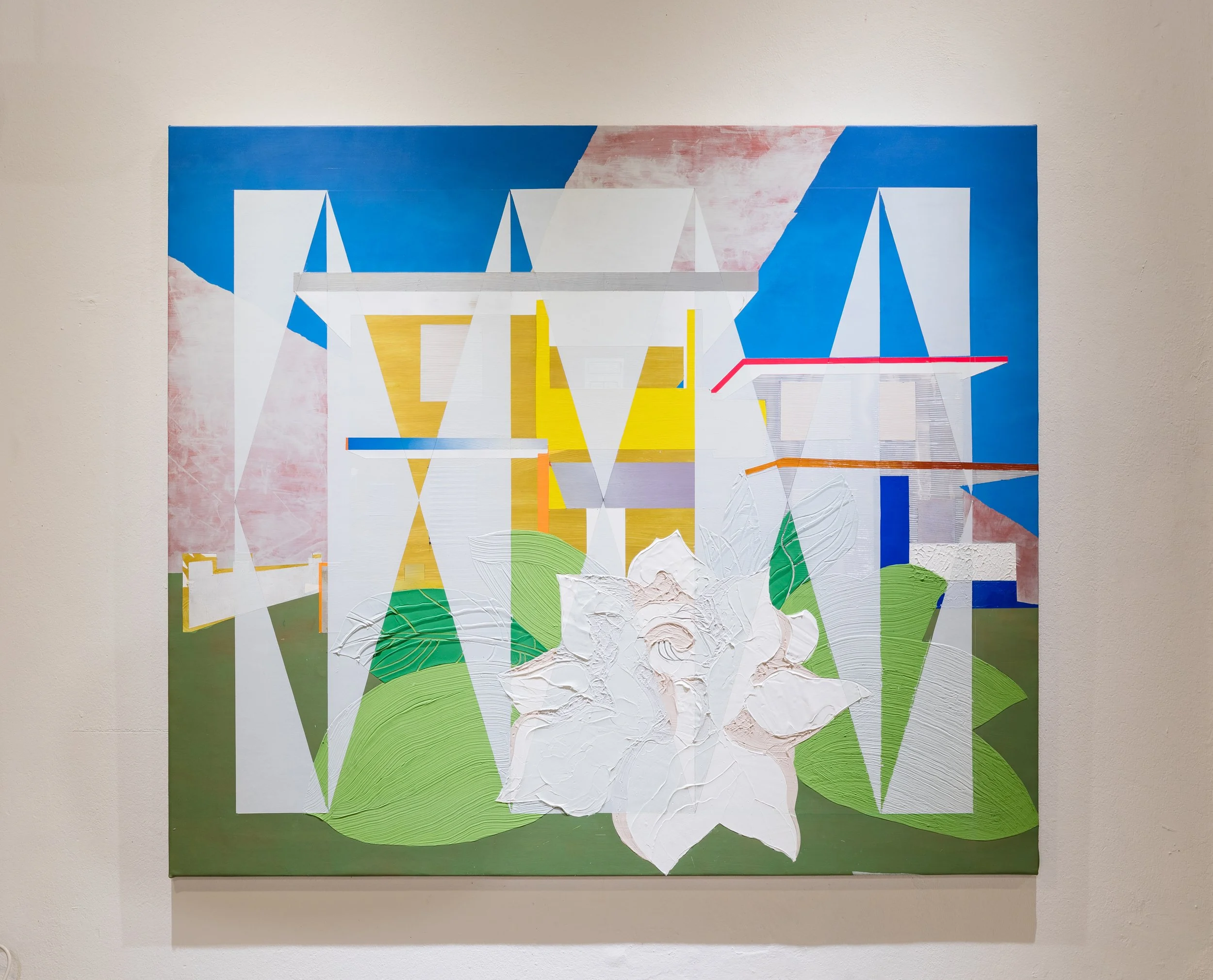
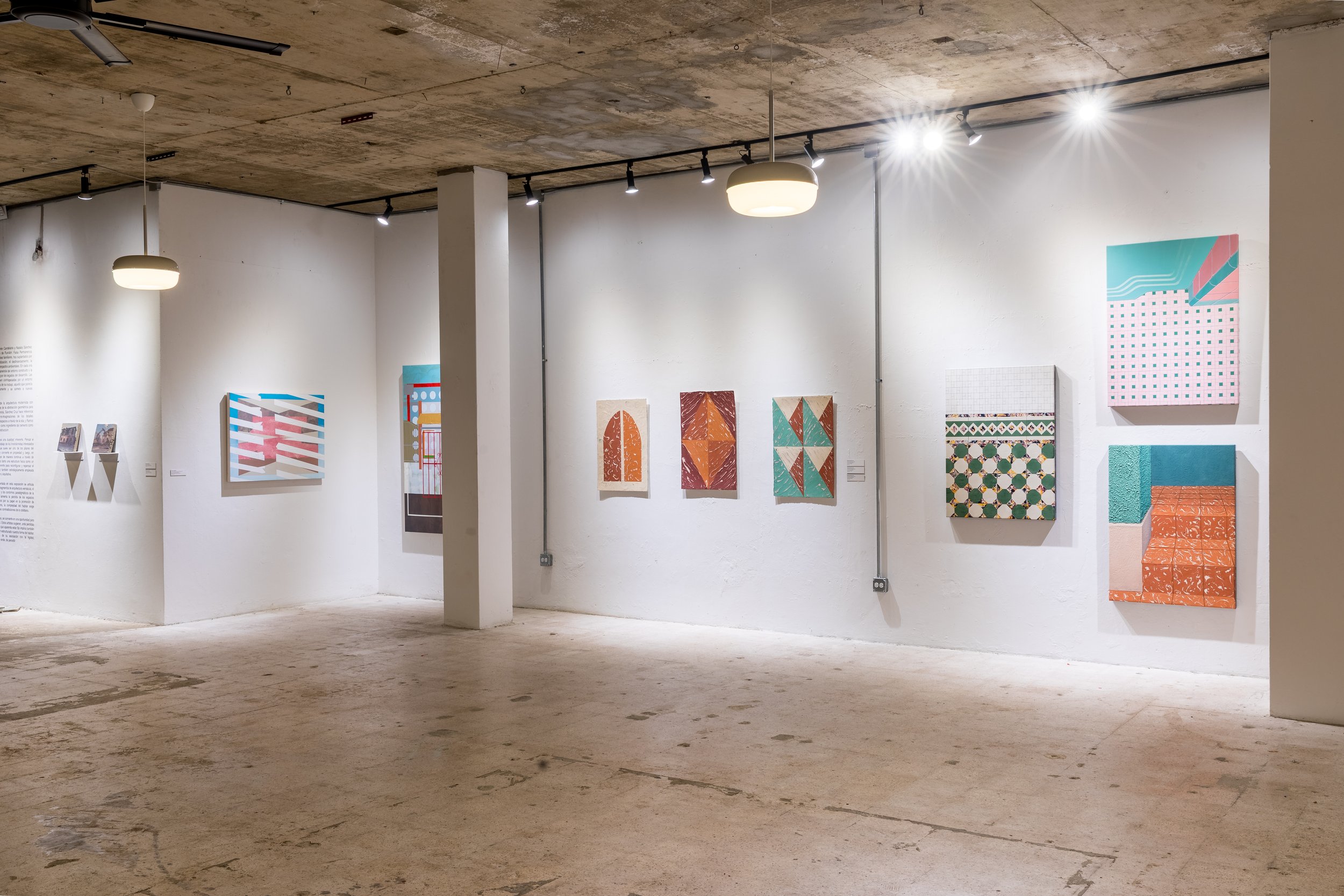
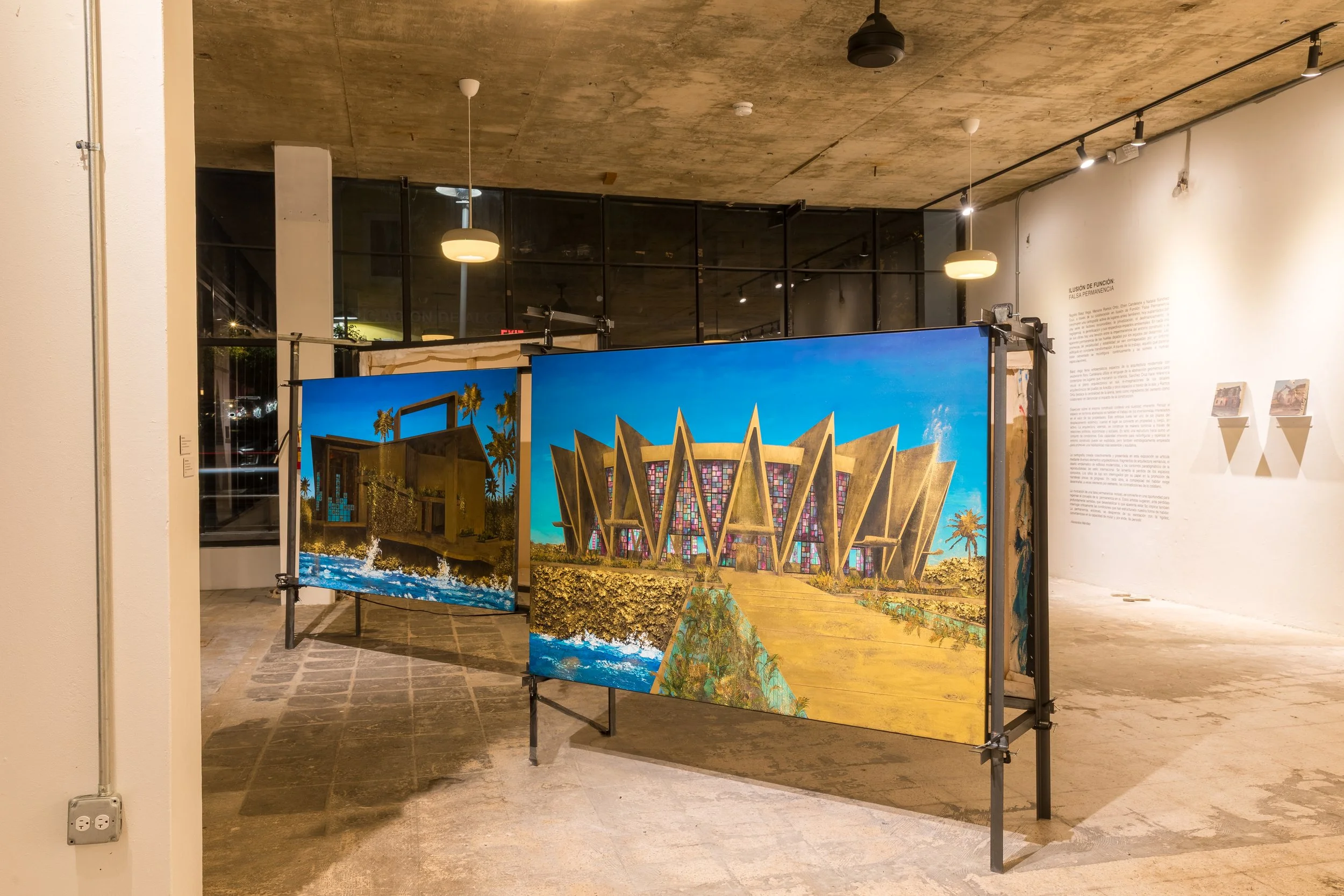
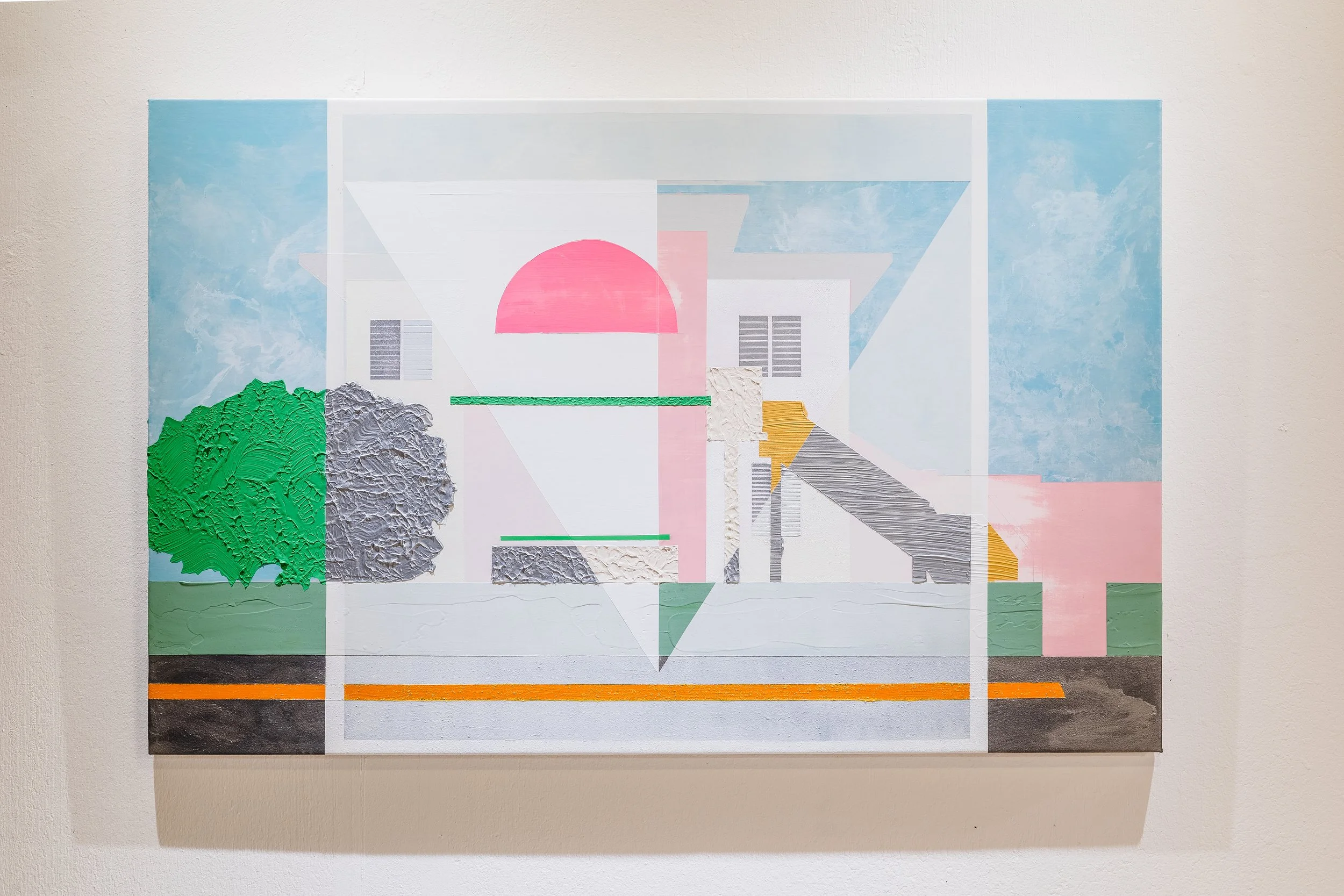
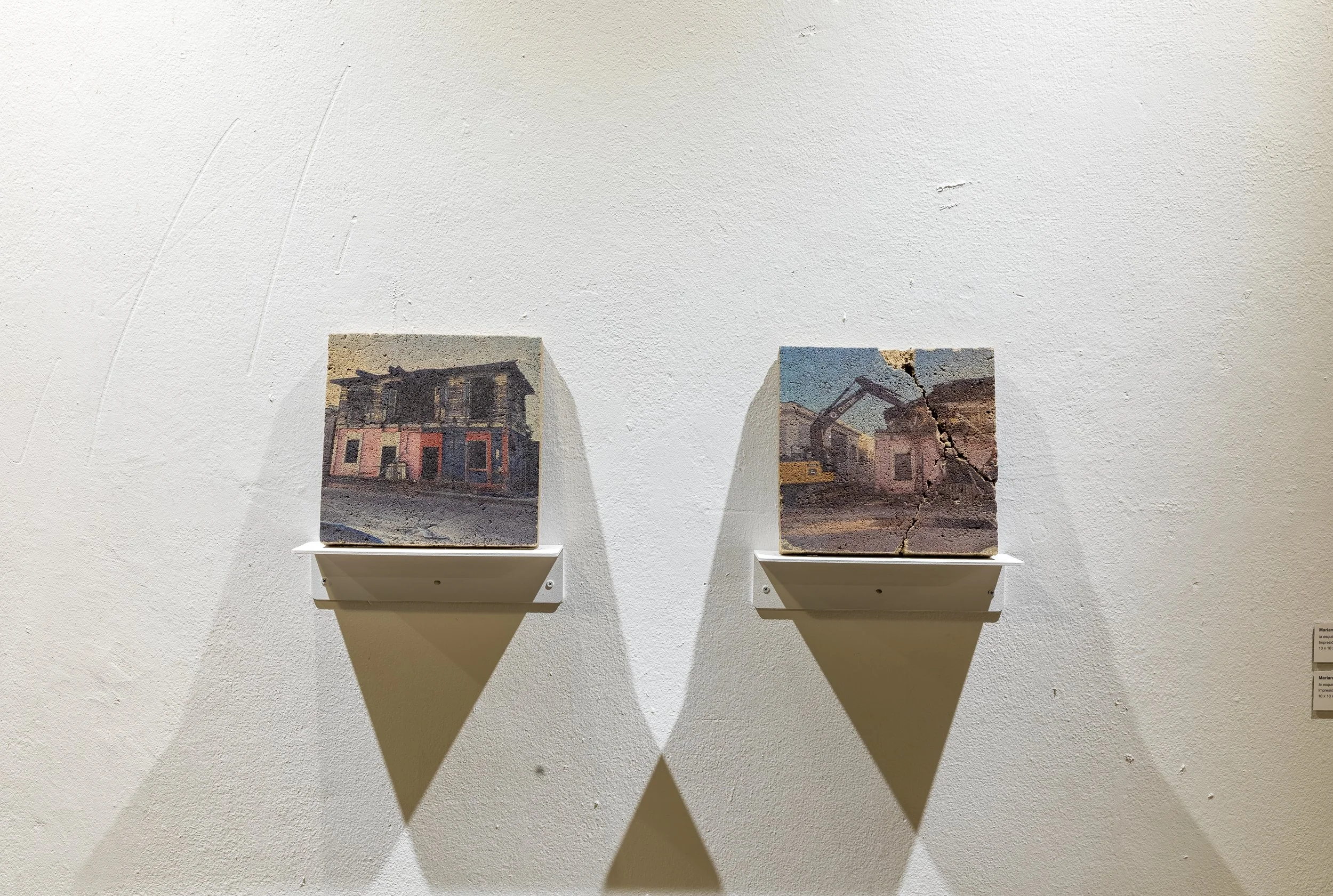
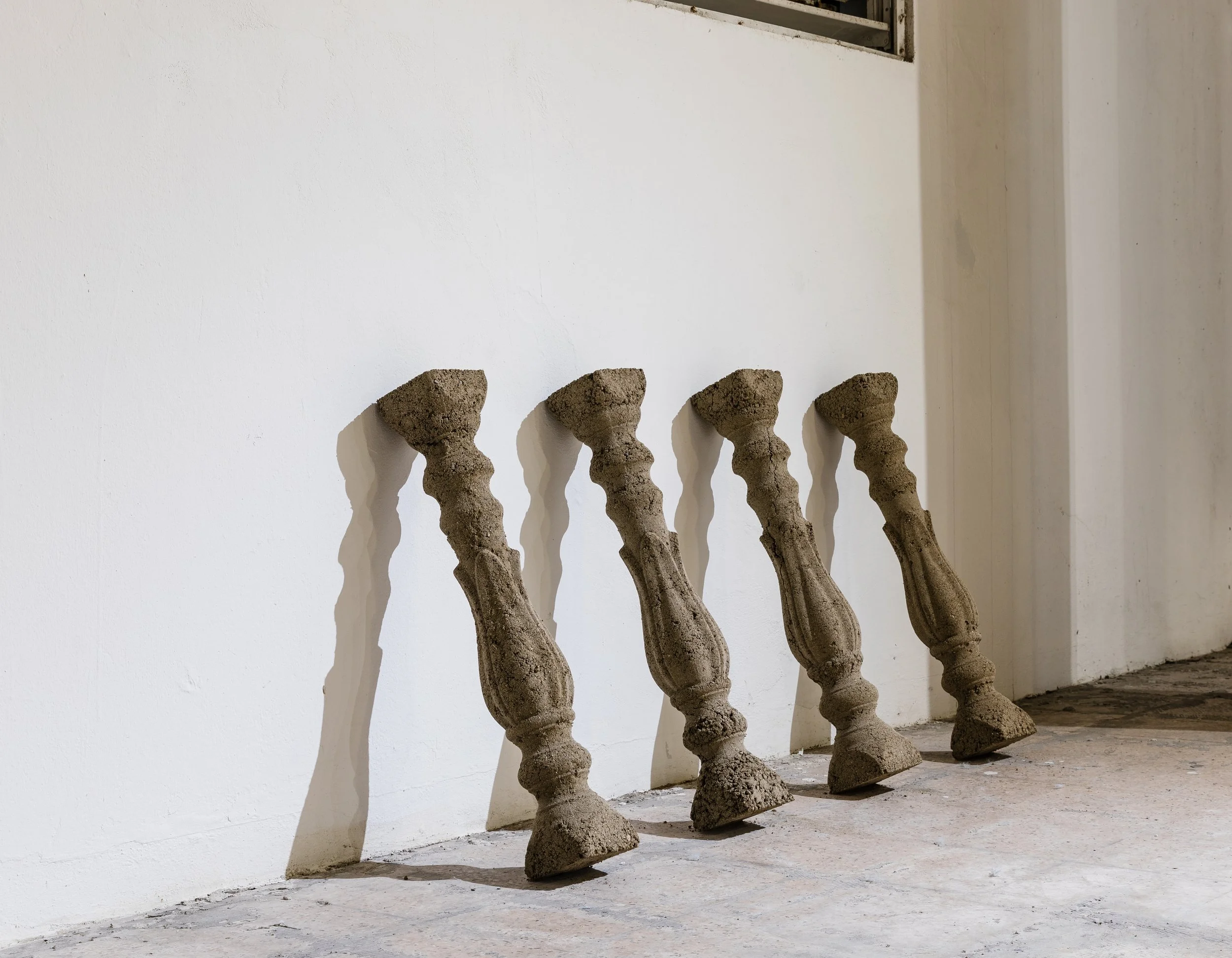
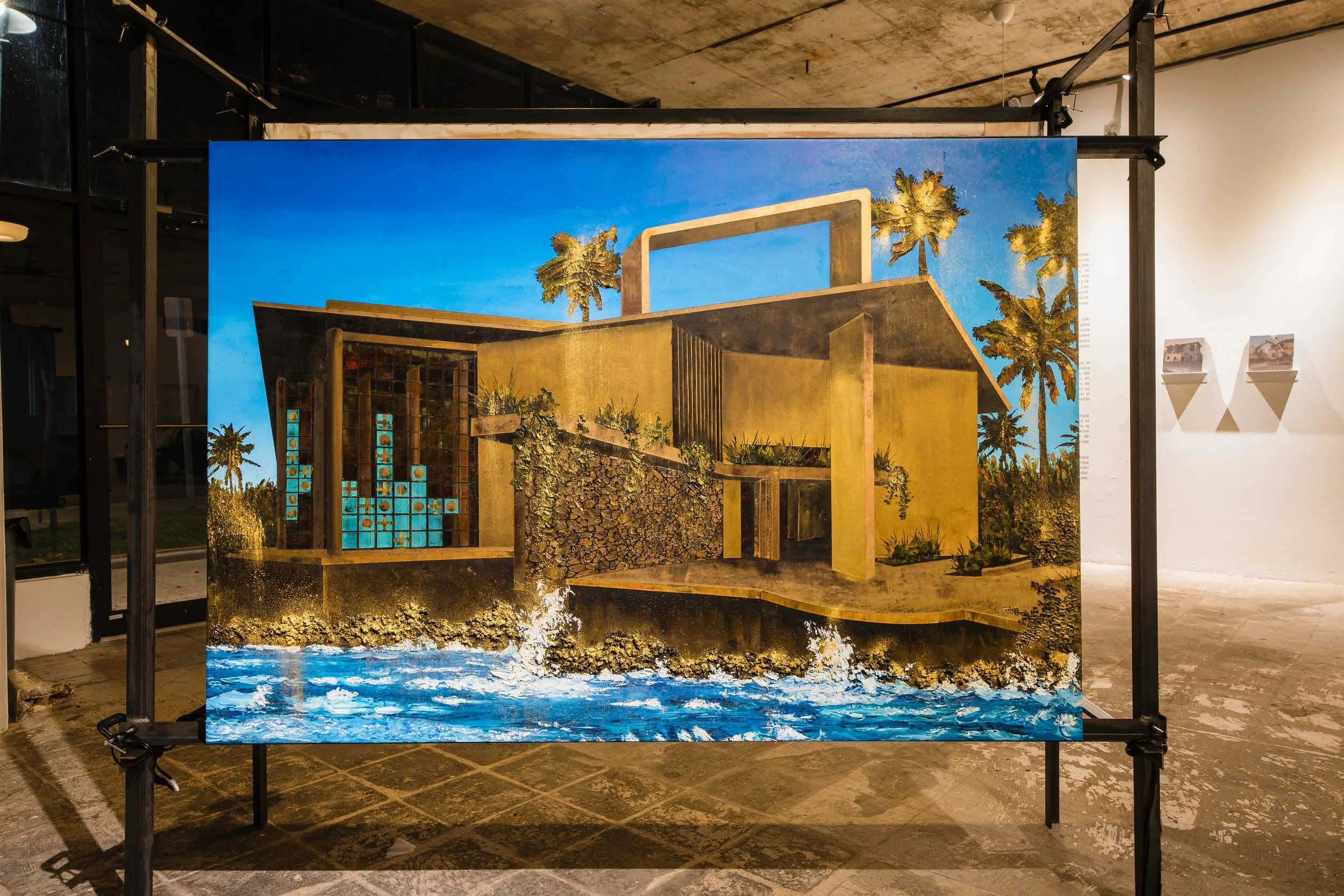
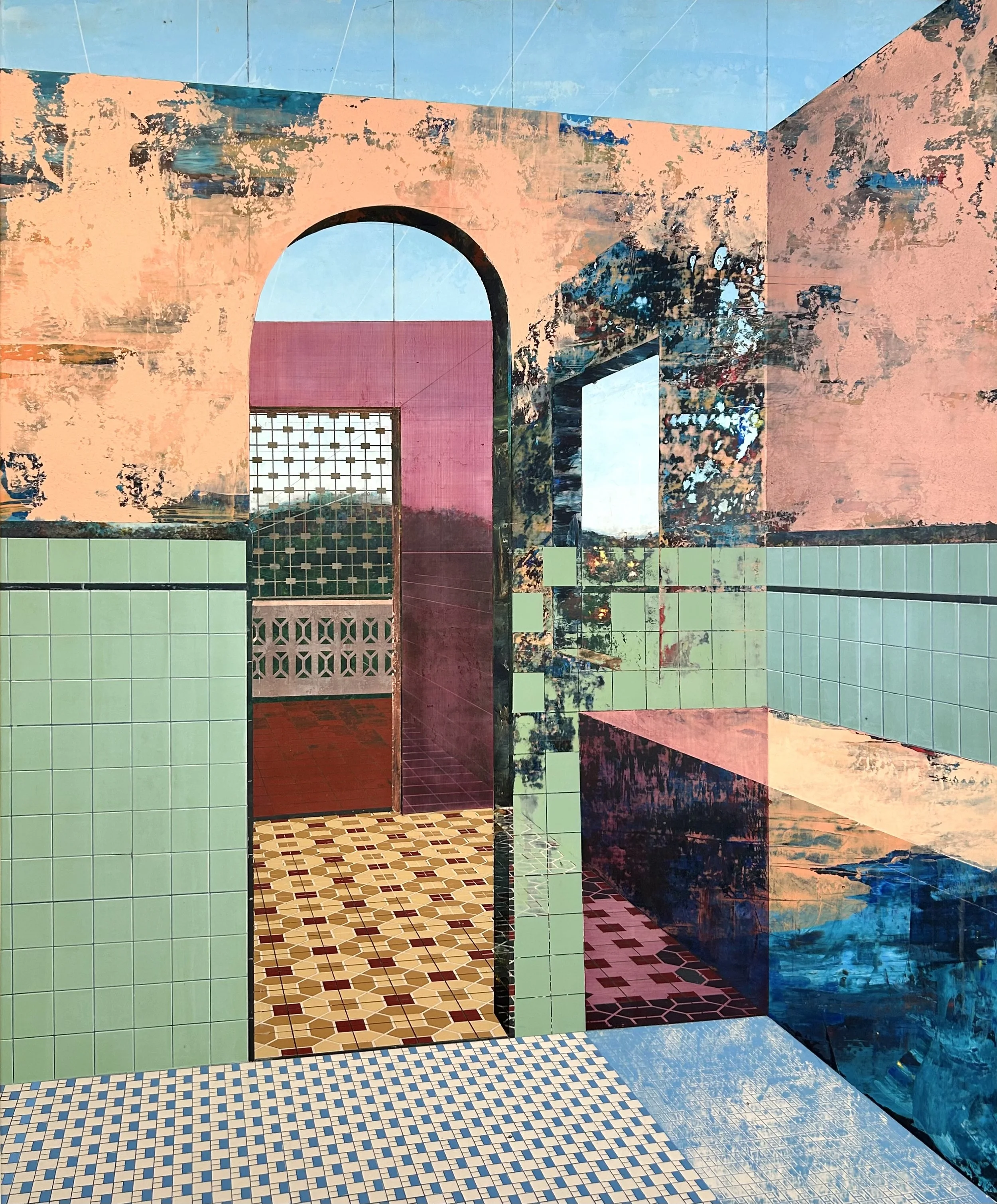
“En sitio num. 12 ”de la serie “Hipermaterial”, 2025, Acrílico, polímeros y marmolina sobre lienzo, 72 x 50 in. Colección Ralph Christiansen
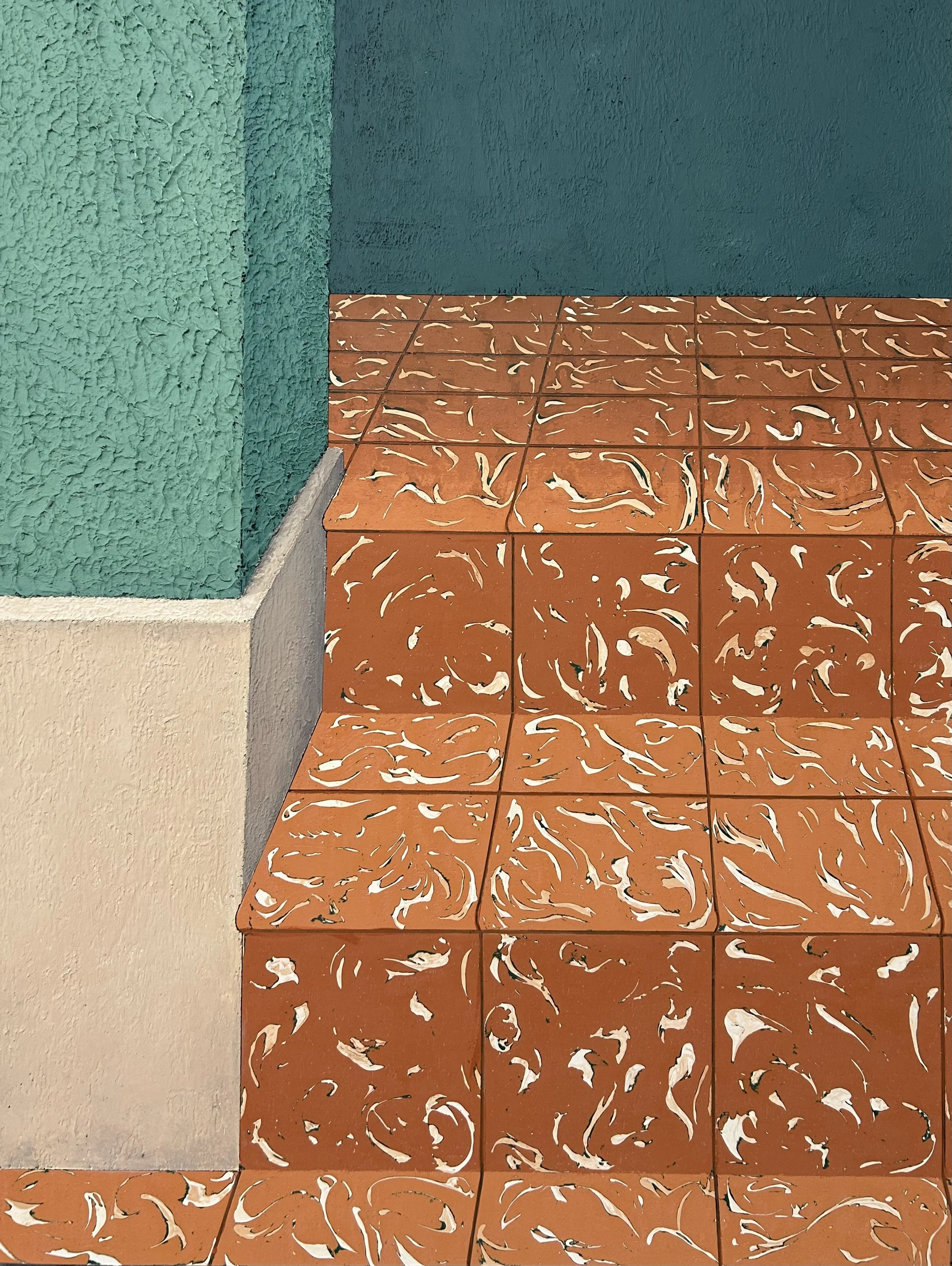
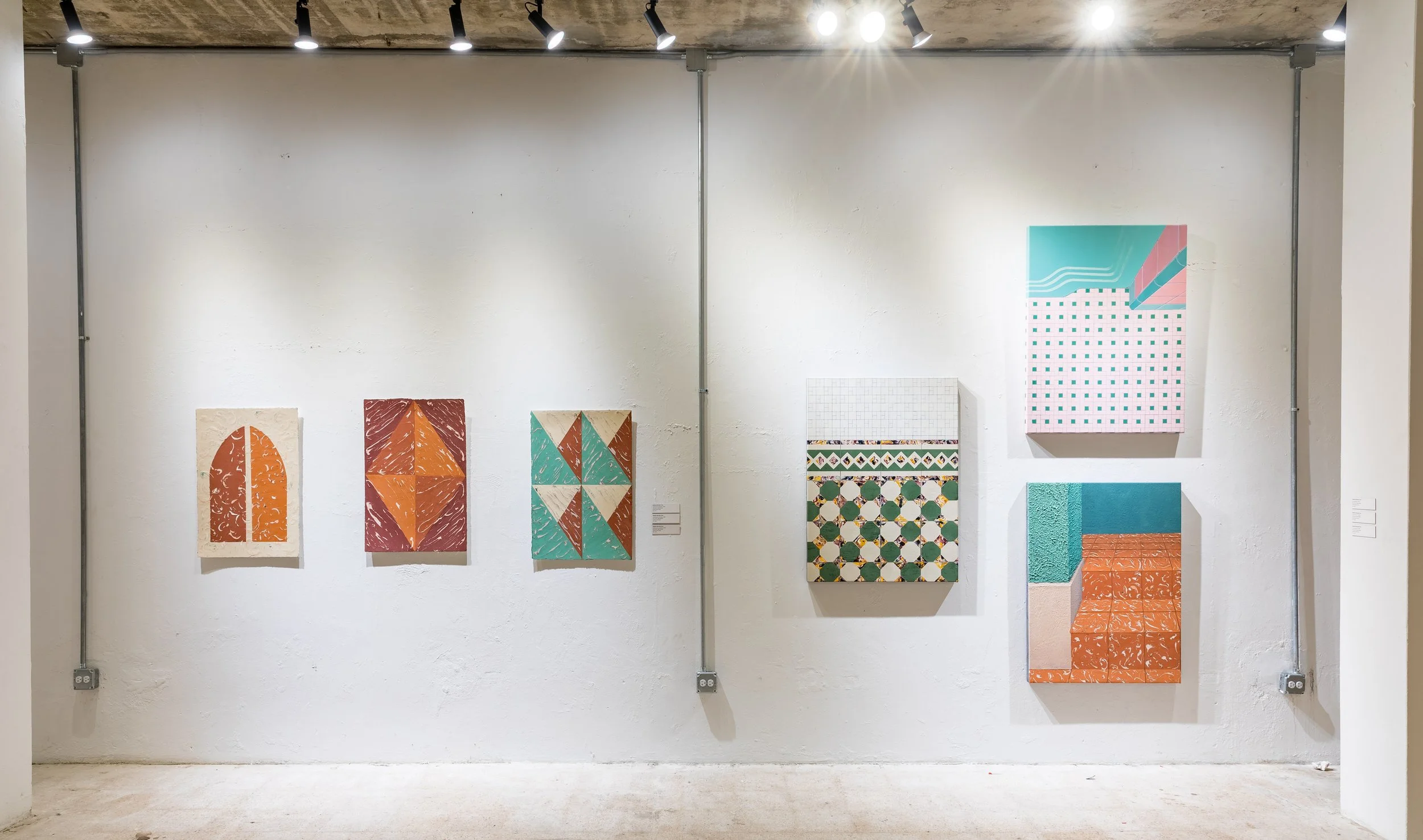
“En sitio num. 9” de la serie “Hipermaterial”, 2025, Acrílico, polímeros y marmolina sobre lienzo, 40 x 30 in.
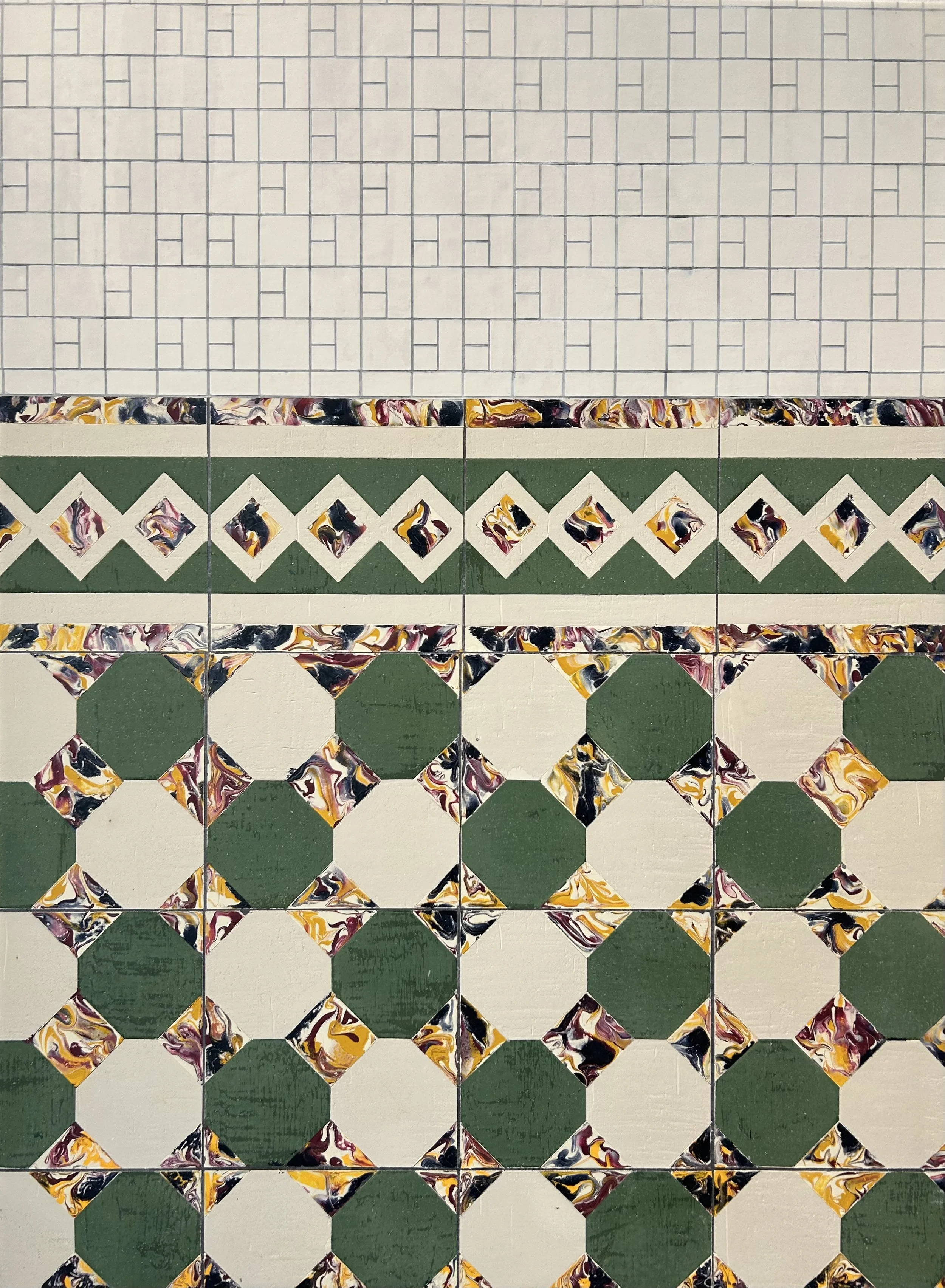
“En sitio num. 10” de la serie “Hipermaterial”, 2025, Acrílico, polímeros y marmolina sobre lienzo, 40 x 30 in.
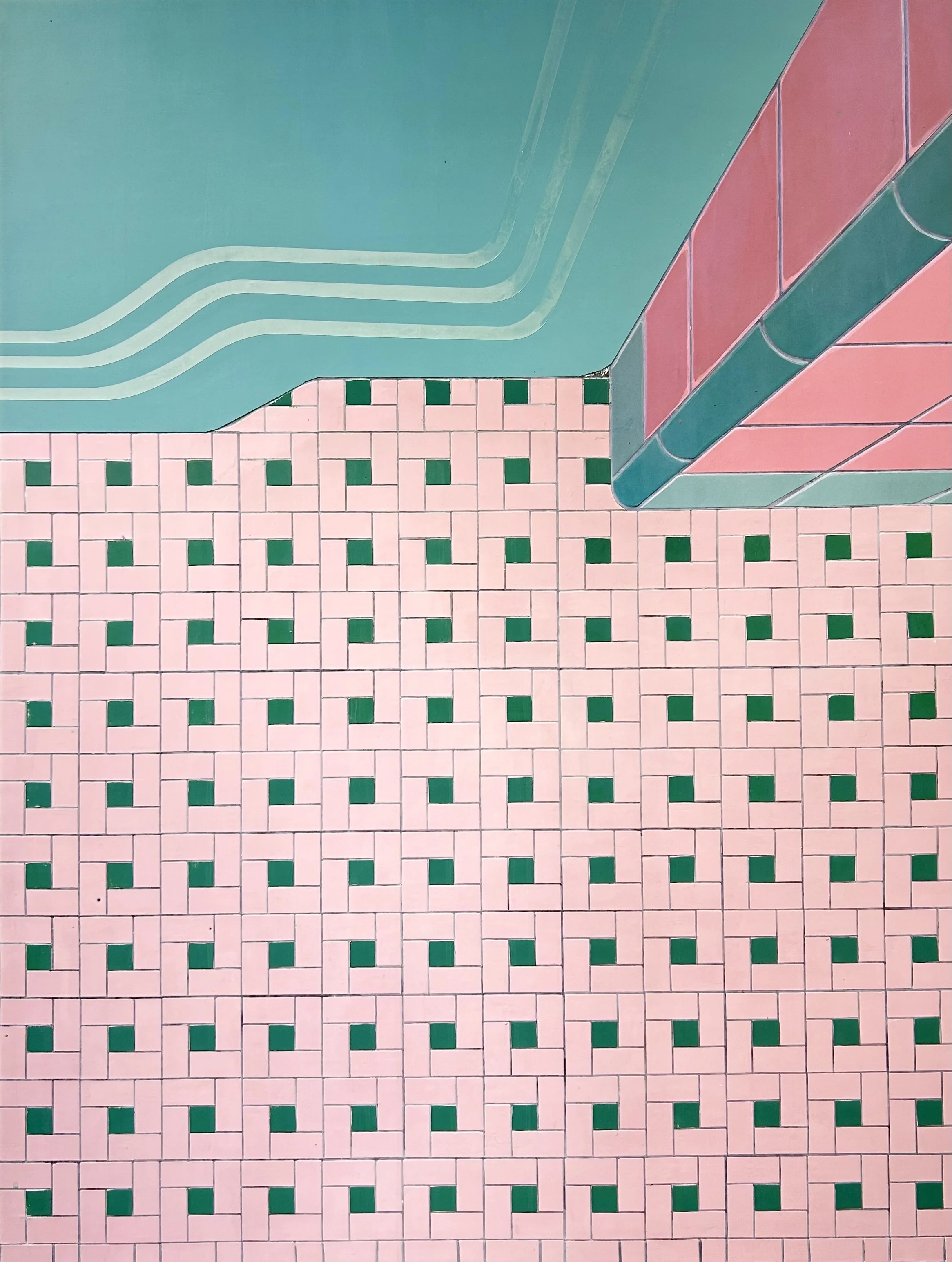
“En sitio num. 11” de la serie “Hipermaterial”, 2025, Acrílico, polímeros y marmolina sobre lienzo, 40 x 30 in.
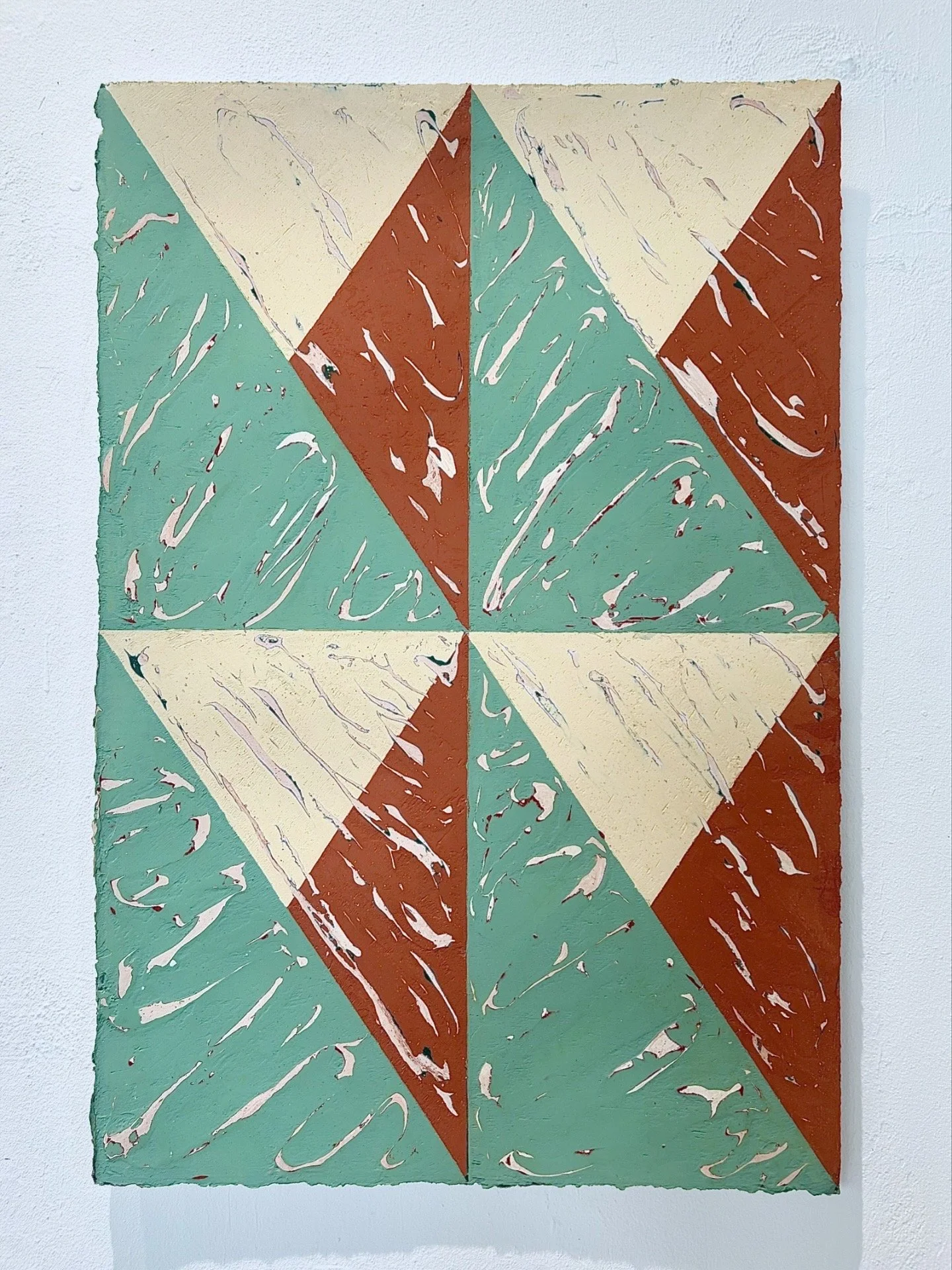
“Composición Sustraída III” 2025, Acrílico, polímeros y marmolina sobre papel , 20 x 30 in.
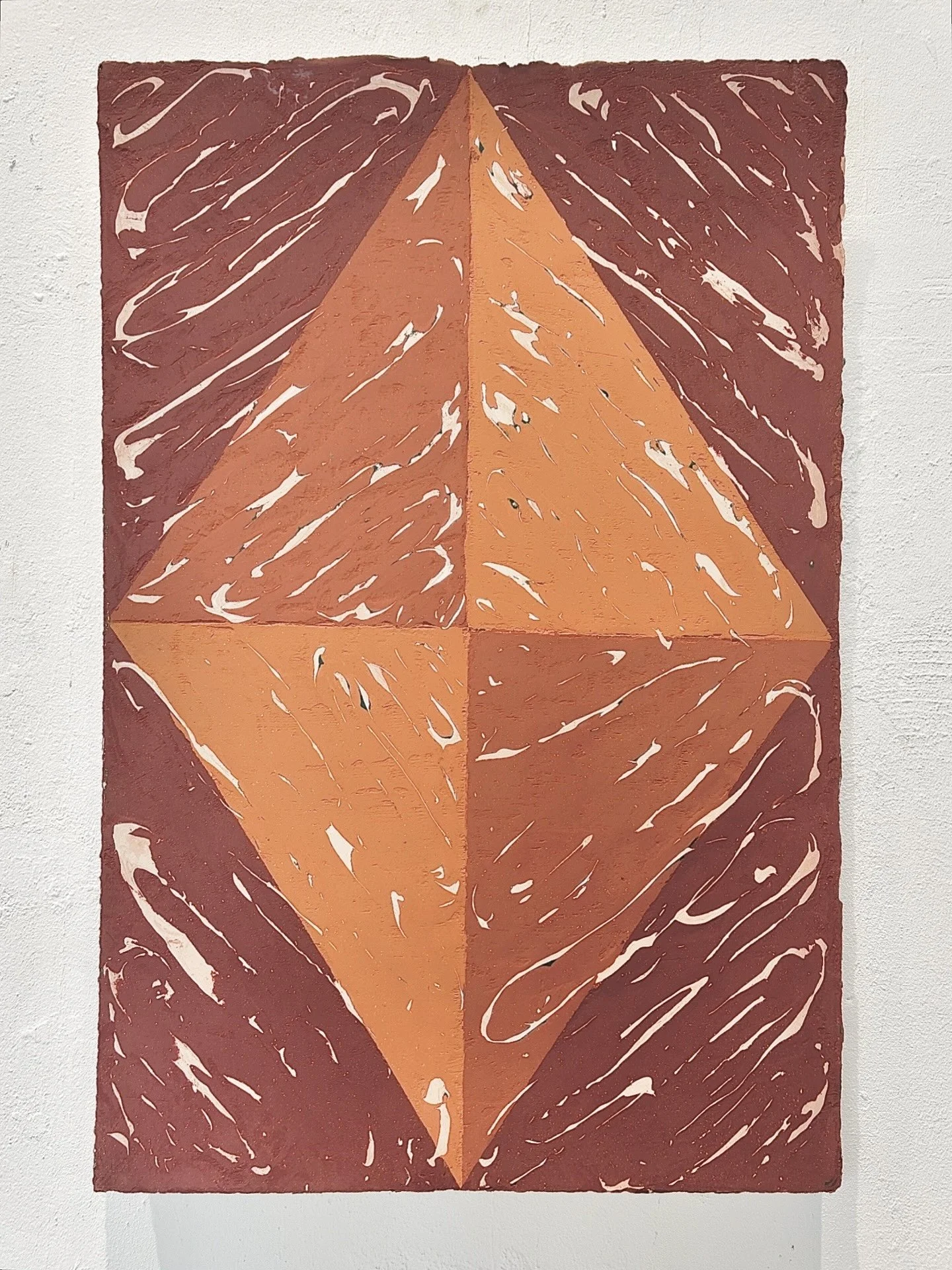
“Composición Sustraída II” 2025, Acrílico, polímeros y marmolina sobre papel , 20 x 30 in.
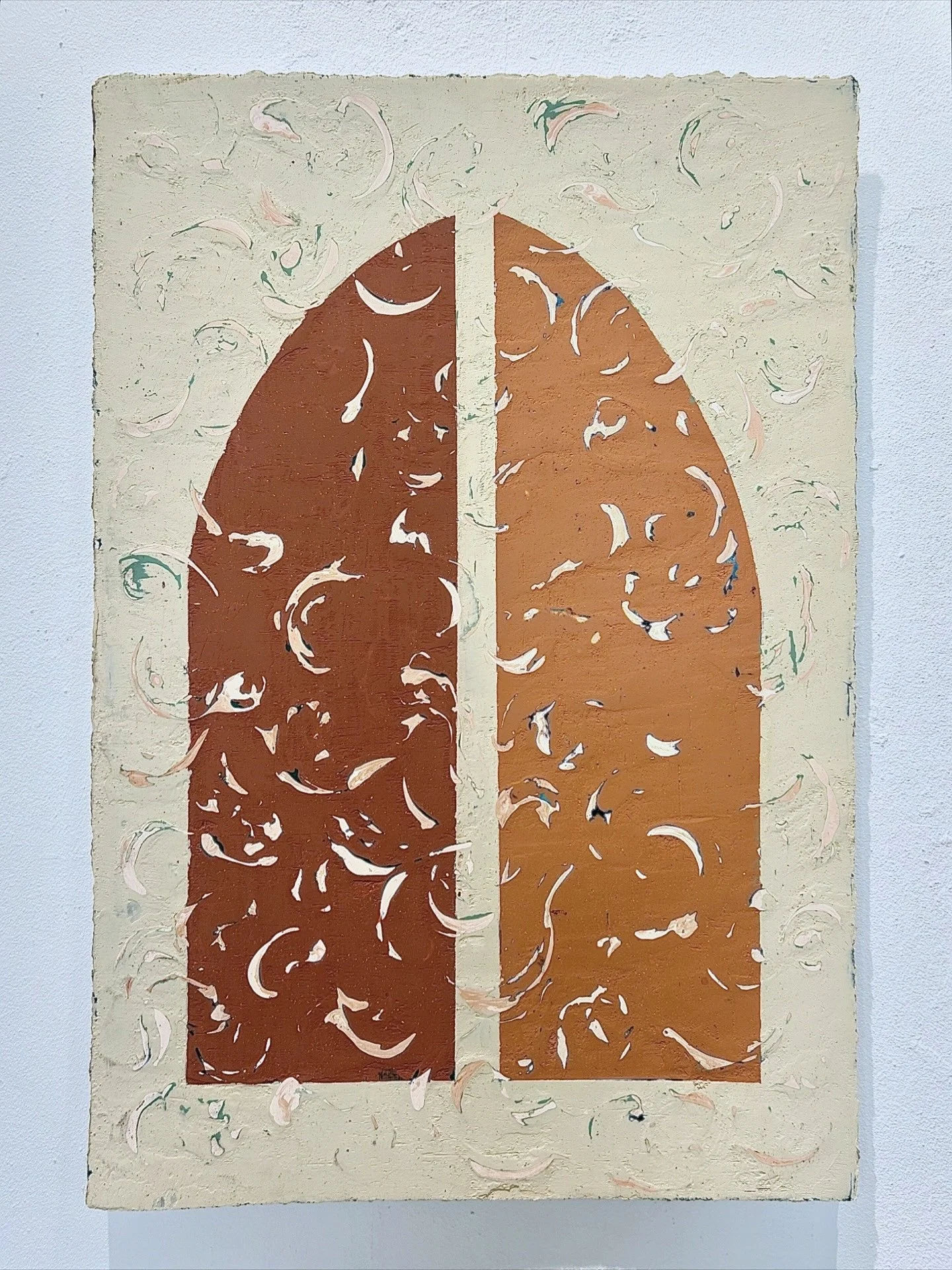
“Composición Sustraída I” 2025, Acrílico, polímeros y marmolina sobre papel , 20 x 30 in.
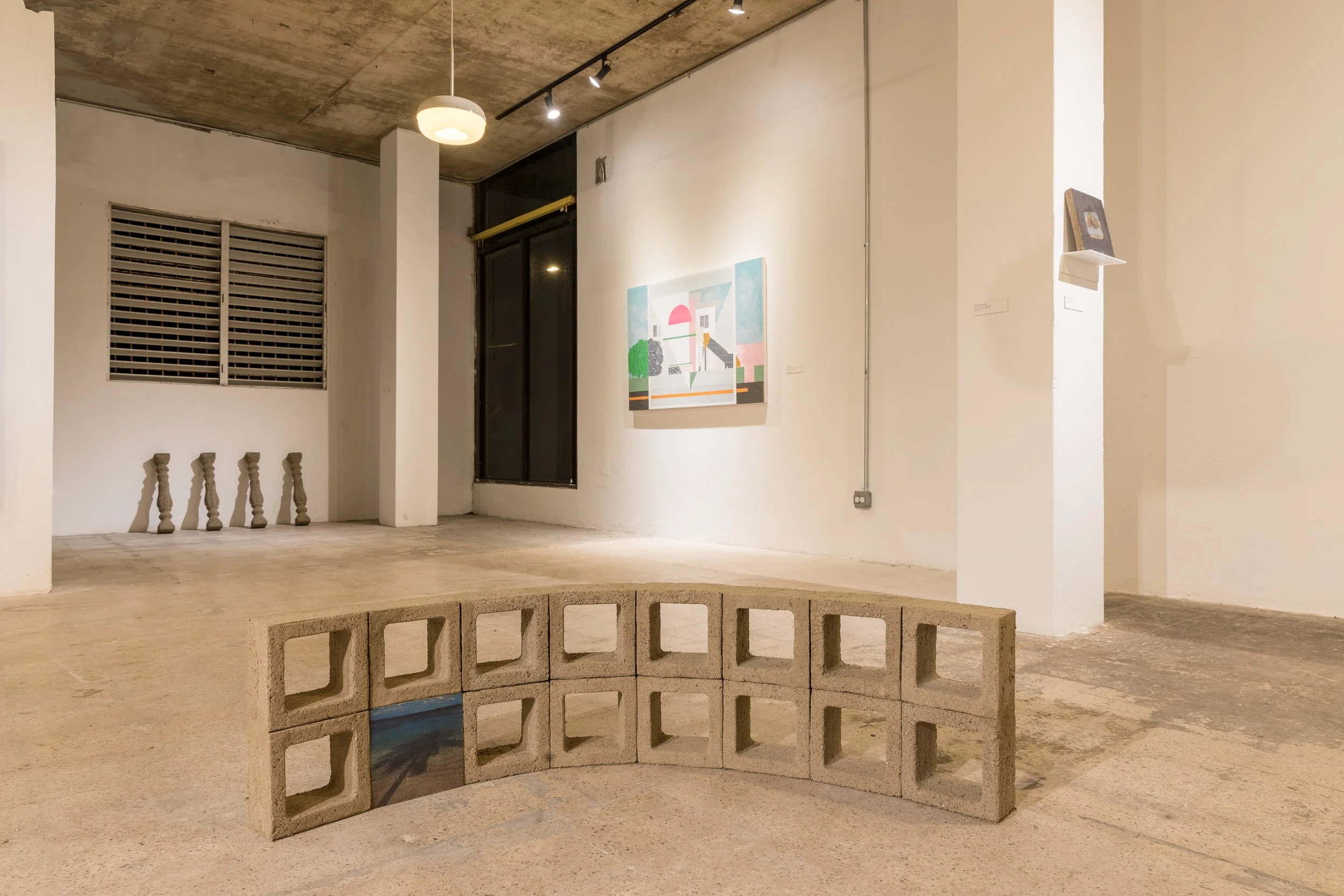
Natalia Sánchez Cruz, Mariana Ramos Ortiz, Rogelio Báez Vega y Efrén Candelaria through their collaboration create a working cartography of once familiar places supplanted by a set of recognizable factors: privatization, defunding, institutional neglect, gentrification, and their corresponding environmental impact. There is in each of their works an interplay between the impermanence of the built environment is juxtaposed by the near permanence of the impressions left by legacies of development. Promises of perpetuity and stability are counterweighed by a build environment that is continually shifting. Through their work what seemed cemented is continually reconfigured and speculated on. Báez Vega fills emblematic sites of modernist architecture with lush flora, Candelaria uses the language of geometric abstraction to contemplate the places that marked his childhood, Sánchez Cruz visually references the blueprint in her re-imaginations of Arecibo’s distinct architectural details, and Ramos Ortiz notes sand’s centrality as a both an ingredient in cement and a collaborator in denouncing construction’s impact.
Speculating on the built environment carries with it an inherent duality. Thinking about space abstractly is the work of investors interested in property prices. This often is one of the factors that underpins systemic displacement as place becomes property and then asset. Architecture, too, is continually constructed through political, economic, and social relations. It is as much a physical structure as a set of conditions. This inherent capacity to reconfigure and rethink the built environment can be exploited as it can be strategically wielded towards more sustainable and equitable habitability.
The collectively created cartography featured in this exhibit is articulated through distinct architectural elements including fragments of vernacular architecture, the emblematic design of modernist buildings, and the outlines of the paradigmatic reproducibility of international style constructions. The loss of familiar spaces is mourned. Sites of luxury are interrogated for their complicity in advancing singular narratives of progress. In each the complexity of inhabiting requires sorting through, at times element by element, the contradictions of the everyday.
The invocation of false permanence is itself an opportunity to rethink the concept of permanence itself. These artists suggest that, even amidst deeply felt loss, unsettling the fixed also critically implies interrogating the conditions that have structured our inhabiting. Permanence, thus, is untethered from its associations with the rigid- becoming an ability to permute and, as a result, persist.
- Alexandra Méndez